Professional Workplace Cleaning
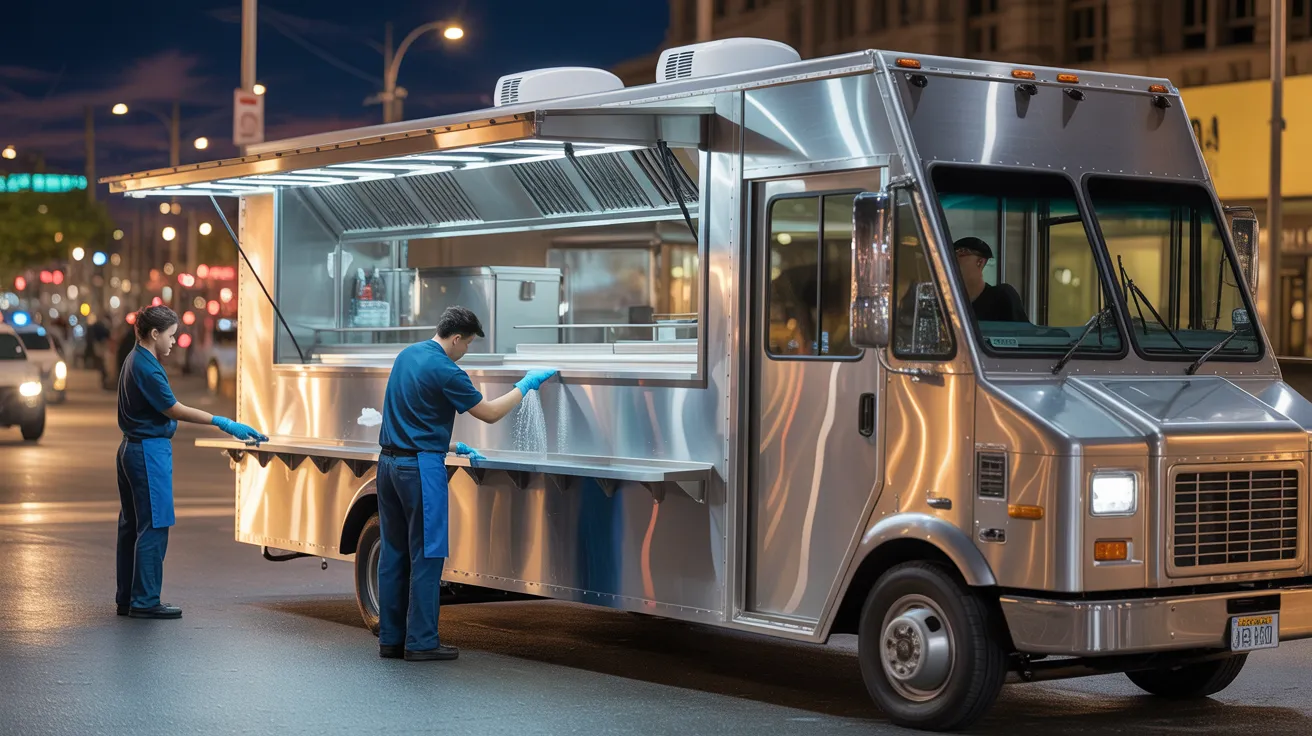
Commercial hygiene experts located in Brampton help maintain food service establishments, commissaries, baking enterprises, warehouses, and food service vehicles to sanitation standards. They treat high-touch surfaces, food prep surfaces, equipment, floors, drains, restrooms, and preparation zones with certified chemicals, in correct dilution, and with verified times.
Essential Summary
- Food safety cleaning technicians in Brampton cater to restaurants, grocery departments, commissaries, warehouses, bakeries, schools, mobile vendors, and allergen-sensitive operations.
- They sanitize high-touch surfaces, food-contact equipment, kitchens, floors, drains, restrooms, and storage areas using area-specific procedures to avoid cross-contamination.
- Approved sanitizer dilution, compatibility, and contact time are validated by qualified vendors, with completion logged via swabs, audits, and remedial documentation.
- Hazard, production volume, changeovers, spills, and regulations ought to shape cleaning timelines, with daily, periodic, and seasonal activities allocated by area.
- Vendors ought to demonstrate hazard analysis knowledge, public-health competency, WHMIS training, liability, credentials, color-coded instruments, and inspection-ready maintenance paperwork.
Food Safety Cleaning Requirements for Brampton Venues
Food safety cleaning is essential for any Brampton facility that deals with, keeps, prepares, packages, or provides food. Apply it to your operation if it comes under health oversight, food standards, or HACCP systems. This includes eateries, cafes, warehouses, supermarket areas, meat markets, fish stands, convenience outlets, and institutional food areas.
You'll equally need compliant food safety cleaning in supply facilities, manufacturing operations, cold storage warehouses, bakeries, school food programs, reception halls, and delivery services. Mobile and temporary operations apply too, such as catering trucks, festival vendors, and pop-up food booths. Should your employees handle raw materials, divide prepared dishes, warm finished meals, or maintain allergen storage, your location requires documented cleaning protocols. In Brampton, food safety remains necessary; it constitutes legal, operational, and consumer protection compliance.
What Services Do Brampton Cleaning Experts Provide?
Your operation needs cleaning professionals who sanitize all high-touch areas, cooking and food prep areas, all floor types, and restrooms to maintain food safety compliance and public health standards. These zones receive attention due to their elevated cross-contamination potential, trip and slip dangers, and breaches of sanitation codes.
If you grasp what they sanitize, you'll be able to confirm your operation satisfies required operational and regulatory standards.
Cleaning High-Touch Zones
implement a cleaning protocol
through rotating cloths, using sequential workflows, and dividing disinfection tools organized by location
Cooking Zones, Walking Surfaces, and Restroom Environments
Brampton cleaning professionals will handle kitchens, floors, and restrooms since each space presents different food safety concerns, injury, and public health challenges. In industrial kitchens, you need grease removal from cooking stations, appliance surfaces, drain systems, preparation areas, and backsplashes to minimize bacterial growth and pest activity.
Floor care that is recorded should equally be anticipated. Technicians clean and remove buildup from tile grout, ceramic surfaces, and vinyl floors, then apply suitable dehydration methods so you can reduce slip incidents and meet regulatory standards. They also address entry points where dampness and dirt enter the building.
Restroom sanitation requires disinfecting touch areas, bathroom equipment, stall barriers, supply stations, and bins, restocking supplies and controlling odours. They also service restaurant moprooms, where chemical storage, sink hygiene, and drainage conditions can affect sanitation compliance and staff safety daily.
The Importance of Food Safety Cleaning in Brampton
Brampton businesses need to implement food-safe cleaning standards for meeting health code requirements and passing inspections. You also reduce bacterial spread through proper cleaning of food-preparation surfaces, appliances, and frequently-touched items. Most importantly, you safeguard community wellness by reducing the chance of food poisoning in your establishment.
Health Code Compliance
Food companies in Brampton face rigorous sanitary regulations, making food safety cleaning essential to fulfilling health code requirements, protecting patrons, and sidestepping enforcement action. You must maintain clean food preparation areas, verifiable cleaning logs, safe chemical management, and verifiable staff procedures that comply with find details about municipal and provincial inspection expectations.
During regulatory evaluation of your operation, auditors assess whether your cleaning procedures facilitates protected inventory management, appliance cleanliness, waste handling, and washroom maintenance. Strong cleaning records enable you to prove due diligence during compliance reviews and demonstrate that your operations are consistent, consistent, and documented.
Cross-Contamination Management
Maintaining regulatory compliance copyrights on your power to stop cross-contamination during everyday food preparation and sanitation. You need to partition uncooked items from finished dishes, sterilize work zones between assignments, and store chemicals away from food-contact items. Explicit protocols lower contamination threats and reinforce steady regulatory adherence.
Implementing allergen separation helps ensure major allergens don't touch communal work zones, bins, or devices. Utilize separate boards, color-labeled items, and clear tool marking so workers don't combine products during preparation or service. Enforce hand hygiene following raw meat, seafood, eggs, or allergen-containing products. Replace wiping cloths regularly, and validate disinfectant levels using test strips. When you train staff to follow these controls per shift, you create a cleaner, safer operation that meets Brampton's food safety expectations regularly.
Public Health Protection
Should food safety cleaning collapse, you don't simply encounter inspection problems—you expand the odds of foodborne illness impacting customers, staff, and the wider Brampton population. You also weaken your role in protecting public health, especially in busy food facilities where contamination can spread quickly through surfaces, equipment, and touchpoints.
You need sanitation procedures that eliminate contaminants, disinfect properly, and verify results. That means following exposure periods, employing authorized sanitizers, recording cleaning times, and training staff to meet regulatory standards. These measures facilitate pathogen reduction by lowering microbial loads before they reach food or hands. In Brampton, strong sanitation protects vulnerable populations, prevents disease spread, and enables you to show due diligence. When you clean to standard, you exceed basic requirements—you substantially decrease danger and support safer food service citywide.
Why Is Cleaning Essential for Food Safety Compliance?
Maintaining rigorous cleaning routines ensures food safety compliance by decreasing contamination threats, limiting pathogen development, and keeping your facility meeting sanitation requirements under HACCP-based programs and public health regulations. You confirm that food-handling surfaces are visibly clean and microbiologically controlled, backing documented preventive controls and inspection readiness.
Diligent cleaning also strengthens allergen mitigation by removing residues that can lead to undeclared allergen exposure. When you combine validated sanitation procedures with safety training, your staff can implement established protocols, employ approved chemicals accurately, complete records thoroughly, and respond to variations before escalation occurs. Regular cleaning facilitates audit trails, confirms remediation efforts, and shows due diligence during audits. It also helps you preserve product integrity, sustain operational adherence, and lower the likelihood of compliance actions, product recalls, grievances, and preventable health dangers.
When Ought You Schedule Commercial Cleaning?
spill incidents, and post-maintenance work
daily routines
Selecting the Right Brampton Cleaning Experts: Key Considerations
Begin by evaluating providers based on food-safe sanitation requirements—not solely on price alone. You should confirm that each organization comprehends CFIA, public health, and HACCP-based requirements applicable to your facility. Request proof of insurance, WHMIS compliance, staff training documentation, and oversight procedures. Assess whether technicians recognize cross-contamination hazards, chemical handling protocols, and verifiable sanitation records.
Additionally, you need to evaluate operational reliability and accountability. Obtain references from Brampton food operations, then review response times, corrective measures, and communication standards. Verify the company conducts supplier reviews and can deliver compliance-ready records when inspectors or external parties need proof. Verify equipment upkeep, color-coded equipment are applied correctly, and site-specific hazards are identified. A qualified provider ensures compliance, product quality, and your reputation.
What aspects should a Food Safety Cleaning Plan include?
Put together a written plan that establishes every sanitation duty, standard, and accountability before production begins. You should list cleaning intervals, permitted substances, dilution percentages, exposure times, instruments, and inspection methods for each zone, surface, and piece of equipment. Add pre-operational inspections, corrective actions, and employee training requirements.
Your plan should also tackle cross-contamination controls, waste handling, pest-prevention measures, and documented schedules for restrooms, drains, floors, and food-contact areas. Specify how you'll separate raw and ready-to-eat processes, facilitate ingredient tracking, and keep accurate allergen labeling through validated cleaning between product changes. You should assign accountability, document signed records, and evaluate results against regulatory standards, HACCP controls, and customer requirements. When gaps appear, update procedures immediately and retrain staff.
Commonly Asked Questions
Are cleaning services offered for overnight shifts in Brampton properties?
Yes, you can book sanitation coverage to support overnight shifts in Brampton facilities. You'll coordinate nighttime cleaning around operational windows, security protocols, and staffing levels. Providers generally create nighttime procedures to minimize disruption, maintain standards, and track completed work. You should verify response times, management, lockout protocols, and disposal procedures before starting service.
Are emergency spill response services available from sanitation professionals?
Yes, you can locate Brampton cleaning professionals providing hazard containment services. They manage contamination, assess dangers, contain affected zones, and begin swift decontamination to reduce risk and avoid operational impact. You should confirm timeframes, credentials, safety protocols, and waste procedures. If your facility must meet compliance standards, pick a provider that documents events, adheres to standards, and supports verification.
Will environmentally safe disinfectants sanitize safely food-contact surfaces?
Definitely, green disinfectants operate safely on food preparation areas if you select items marked food-safe that comply with compliance requirements. You need to verify exposure duration, concentration levels, and rinse procedures ahead of deployment. Plant based formulas lower chemical burden, but you need evidence of effectiveness against relevant pathogens. To ensure residue free surfaces, adhere to exact manufacturer guidelines and confirm your disinfectant complies with food industry regulations.
Can sanitation programs be modified for seasonal production changes?
Without question, cleaning schedules adapt well for seasonal shifts. Adjust schedules, labor allocation, cleaning agents, and verification steps to correspond to seasonal patterns while upholding compliance standards. Minimize operational delays by planning sanitation during line changes, peak volumes, and usage patterns. Additionally update SSOPs, employee training, and facility monitoring to account for periodic risks, additional allergens, or increased soiling. Periodic assessments ensure your schedule functional.
Are commercial cleaners providing staff training on hygiene protocols?
Yes, commercial cleaners typically educate your staff on sanitation best practices. You get staff training on correct chemical application, contact times, cross-contamination prevention, machine breakdown, and documentation. They typically align instruction with HACCP, GMP, and CFIA or local public health requirements. Many also conduct hygiene inspections to confirm adherence, spot deficiencies, and reinforce corrective actions. This allows you to sustain uniform processes, succeed in audits, and minimize contamination hazards daily.
Conclusion
When you work with Brampton commercial cleaning and food safety experts, you don't just tidy up—you maintain your facility audit-prepared and your protocols compliant. From kitchens to processing floors, every clean surface and well-kept corner minimizes pest intrusion and prevent costly setbacks. By scheduling service at the right intervals and following a clear cleaning plan, you protect employees, customers, and your reputation. In a strict regulatory setting, clean spaces aren't optional—they're fundamental to proper operations.